
Selling Land to a Developer in Nevada
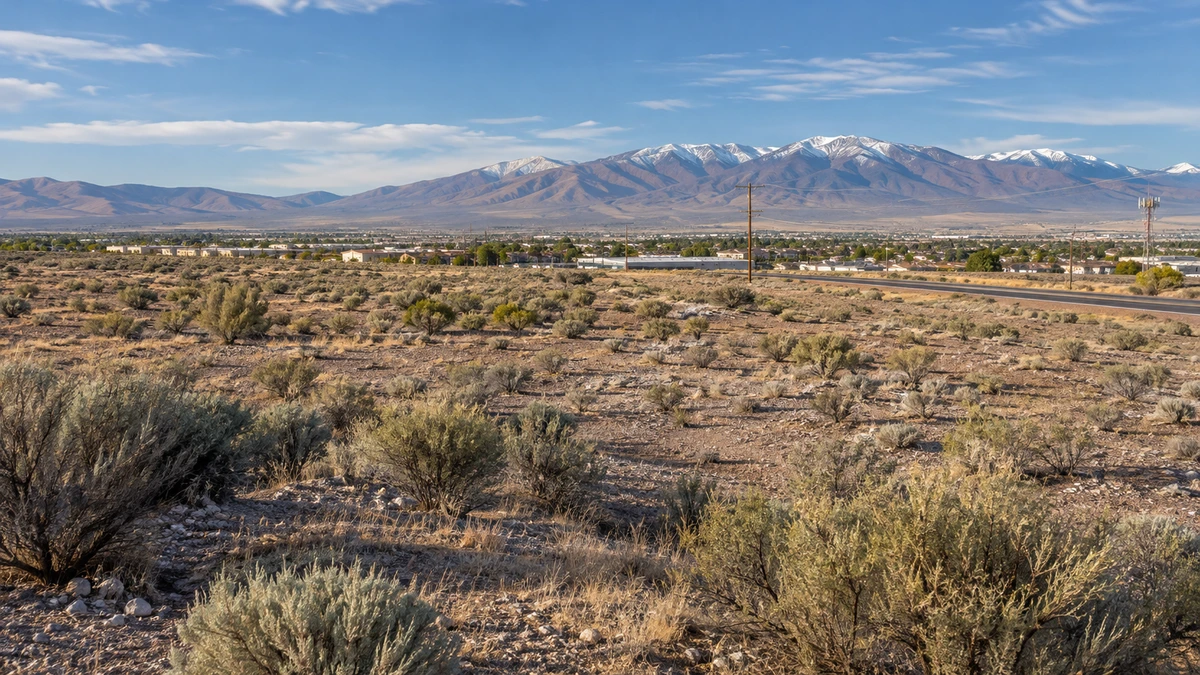
A development proposal can describe an ambitious future project while leaving much of the present risk with the owner. Separate the recorded property, the proposed use and the conditions of the contract. For a Nevada holding, jurisdiction, access, service capacity and approval requirements deserve attention before a headline price becomes a decision.
Know Who the Developer Is and What Is Being Proposed
Ask which entity would sign, which entity would take title and who is responsible for performance. A real estate developer may work through a project company or seek assignment rights. That arrangement needs an explanation in the documents. A recognizable business name on an introductory letter is not the same as a clear contractual commitment.
Before offering land to a developer, match the APN and recorded description to the holding under discussion. Clarify whether adjoining interests are included. Landowners looking to sell should distinguish a firm purchase proposal from an option, preliminary expression of interest or offer dependent on future approvals. A developer who expects to buy land should identify the conditions that still stand between discussion and settlement.
Check Zoning and Land Use With the Responsible Office
A proposed future use is not a present approval. Determine whether the tract lies within a municipality or unincorporated county territory. Ask the responsible planning office about the current designation and the review process for the actual project. Do not infer permission from a neighboring building or a regional description of growth.
A land developer may propose rezoning or other approvals after a contract is signed. Ask who pays for that work and what happens if it fails. The entitlement process can involve deadlines and decisions beyond either party's control. Zoning laws and zoning regulations need local interpretation, not assumptions imported from a different state. A developer's concept drawing is a proposal rather than official confirmation.
For orientation, use North Las Vegas planning information or the responsible office for the specific tract. These resources do not establish the result of an application. Local zoning and city planning questions should be checked against the parcel and current project description before an owner promises buildable status.
Separate Nearby Infrastructure From Available Capacity
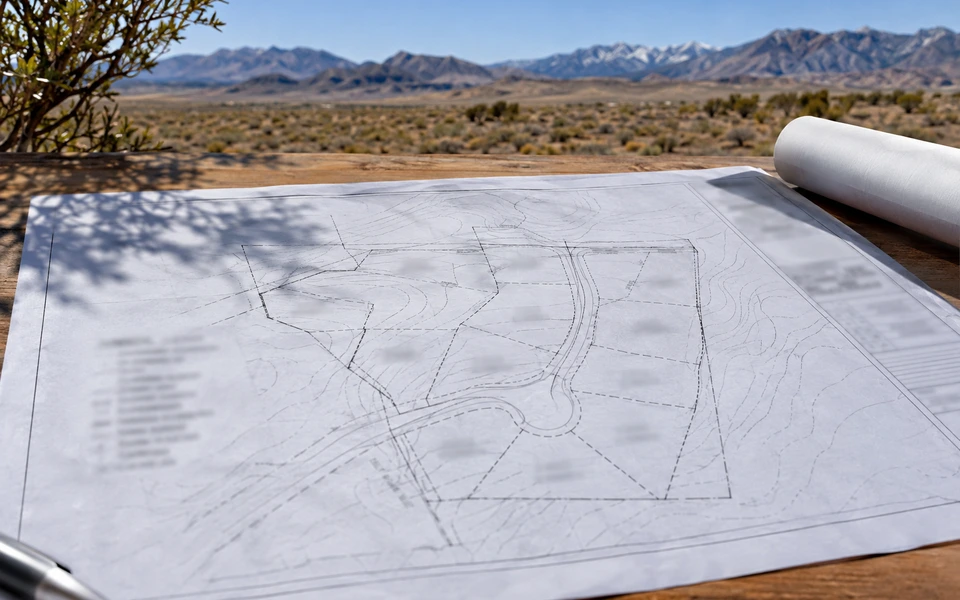
Access to utilities means more than seeing infrastructure at the roadside. Ask about the relevant utility provider, capacity, connection rights and improvements that might be required. A developer may make the proposal dependent on those findings. Keep that condition visible instead of treating anticipated service as an existing improvement.
Raw land can also need a recorded easement review, environmental investigation or geotechnical work. Disclose known conditions and let qualified professionals address them. Vacant land near public holdings is not automatically accessible across them. Site planning must begin with private rights and actual physical constraints, not an attractive aerial image.
Ask who obtains the reports and whether the owner receives copies or use rights if the contract ends. A landowner should understand the consequences of access permissions granted for testing. A developer's investigations can be legitimate while still requiring clear boundaries on entry, disturbance, insurance and restoration. Put those responsibilities in writing with appropriate advice.
Read the Due Diligence and Extension Terms Together
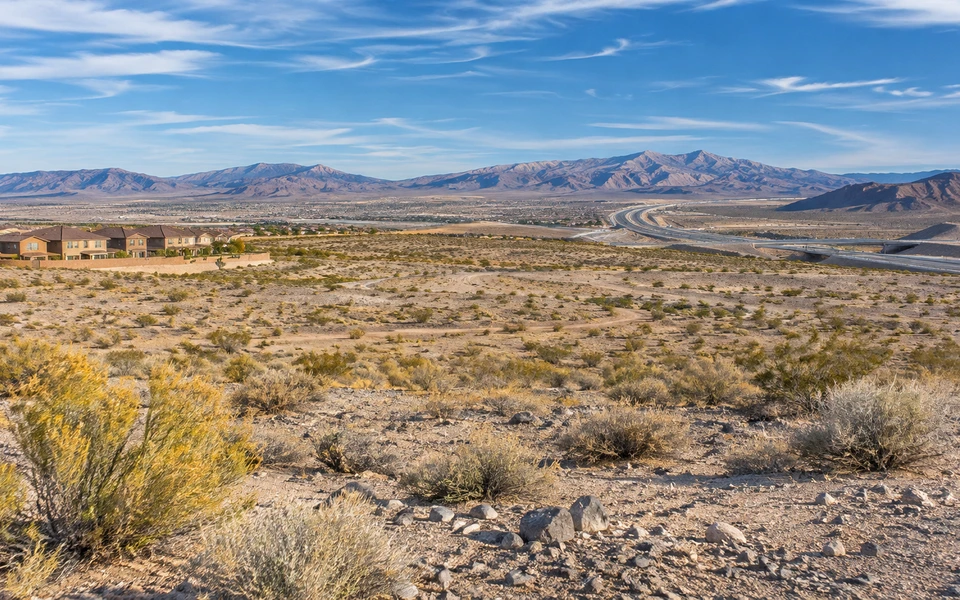
A high proposed amount can be paired with a lengthy review period. Ask when the deposit becomes nonrefundable, what cancellation rights exist and whether extensions require an additional payment. The sale process should explain who bears the cost of time while approvals or financing remain uncertain. A buyer's preferred schedule is not automatically an obligation you must accept.
Selling to a developer can involve conditions unlike a simple immediate transfer. Read the due diligence provisions alongside the closing date rather than in isolation. Ask what happens if the proposed project changes, if another entity is substituted or if an approval is not obtained. A developer should be able to describe these possibilities without relying on an assurance that the language is standard.
Compare Land Value With the Risk in the Agreement
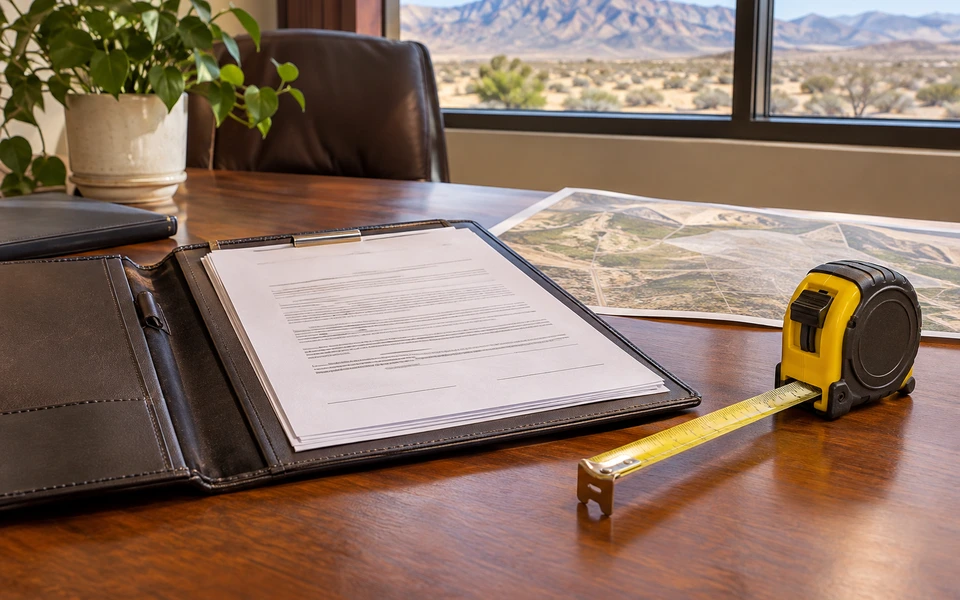
The market value of a holding today is different from the potential value of a completed project. Real estate development includes work, costs and uncertainty. A developer's projected result does not establish what the landowner should receive under a conditional agreement. Ask which assumptions support the number and which would change the proposal.
The value of your land should be considered with timing, deposit protection, expenses and the chance that the deal will not close. Current market trends can provide context without guaranteeing a result. A residential concept, mixed-use proposal and other project types may use different assumptions. Do not treat those concepts as interchangeable evidence about the value of your property.
If the commercial real estate market is part of the pitch, ask for relevant comparisons rather than broad statements about demand. A buyer may reasonably value flexibility, but that does not tell you whether the option cost is acceptable. The point of negotiation is to make those tradeoffs explicit, not to substitute optimistic forecasts for written terms.
Choose Independent Advice for the Specific Questions
A real estate agent can discuss exposure and alternatives; a real estate attorney can explain obligations and permissions in the contract. Other real estate professionals may address valuation, boundaries, water or technical reports. Confirm each engagement rather than assuming the developer's team represents the owner's interests. Clear roles can prevent an unresolved question from being passed between people.
Before you sell land to a developer, explain your own priorities to those advisers. You may value a shorter commitment, fewer entry rights or a clearer exit if conditions fail. A landowner who understands those priorities can compare proposals more usefully than someone focused only on the largest number. Owning land does not require accepting the first development concept presented.
The Sparks guide discusses jurisdiction and service assumptions. Our North Las Vegas guide also separates nearby construction from an individual holding's status. Use these as question-organizing resources, not evidence that either community guarantees a project's approval.
Keep the Closing Statement Connected to the Contract
When the remaining conditions are resolved, compare the final documents with the signed agreement. Verify the description, parties, expenses and proceeds. A developer may have requested reports or permissions during review; confirm what survives after closing or termination. The closing process should not leave those obligations unexplained.
Independently verify the settlement contact and payment instructions. A straightforward land sale may close in as little as 2 weeks, but a proposal dependent on approvals can take longer. Do not advertise that shorter period as a guarantee for a development agreement. A buyer and owner need a schedule based on the actual remaining work.
Decide Whether the Proposal Fits Your Plans
Selling land to developers is one route, not a requirement. You may compare another purchaser, continued ownership or a different marketing approach. The process of selling land should leave you able to explain what you are accepting and what could still change. A developer's interest is worth investigating without treating it as proof of the best outcome.
If you want to sell your land through this inquiry service, information may be shared or sold to independent purchasers. No project approval, offer or purchase is guaranteed. Before you sell land, compare the written conditions with your alternatives and seek the advice needed to make that comparison meaningful. A successful sale is a documented result that fits the agreement, not merely an ambitious concept on a brochure.
Practical Seller Guides
Explore records, selling choices and closing questions before accepting terms.
Compare Your Own Options
Use accurate records and ask for written terms. There is no obligation to accept.
Request Your No-Obligation Cash Offer
Start with acreage, state, property address and county. Your contact and property information may be shared or sold to independent buyers who can contact you about an offer. Please read our Privacy Policy before submitting. No purchase or response time is guaranteed.