
Compare a Cash Offer Before You Sell Land in Nevada
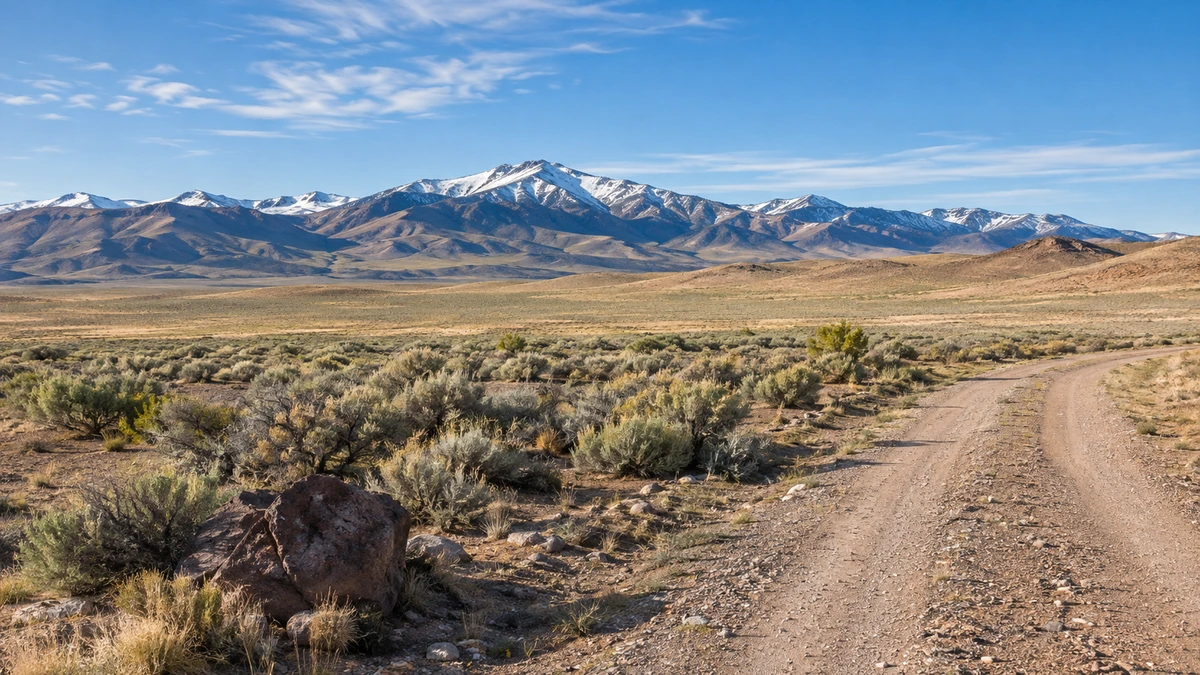
A cash proposal can simplify a property decision, but a large number at the top of a page is not the whole agreement. Nevada land buyers may use different inspection periods, expense allocations and closing conditions. Compare the documents before deciding whether the proposal fits your parcel and your plans. This guide explains the questions to organize, not what any particular owner should accept.
Start With the Parcel the Buyer Is Reviewing
Match the assessor parcel number to the legal description on the deed. A mailing city, online map outline or nearby landmark is useful context, but none replaces the recorded tract. A cash land buyer should be able to tell you which interest is under review. If a family owns adjoining holdings, label the file carefully so a proposal does not accidentally combine or omit one.
A piece of land near a developed street may differ substantially from remote raw land. Explain what you know about boundaries, services, existing use and possession. Keep unanswered questions visible. Recent Nevada land sales can provide context only when their characteristics resemble yours; acreage by itself is a weak comparison. An old purchase price also does not establish what another party would pay now. Collect the records before drawing conclusions from an online estimate.
Explain Access, Water and Permitted Use Honestly
Vacant land in Nevada may have a visible track without a recorded right to cross another holding. Describe where the route leaves a public road and which documents support the remainder. A purchaser who expects to buy your land directly should identify what still needs confirmation rather than treating an aerial view as legal proof. Do not describe an unknown route as resolved just to make a proposal easier.
Agricultural land deserves a separate discussion of water records, leases and who currently uses the ground. The Nevada Division of Water Resources is a starting point for official information; nearby irrigation is not proof of a transferable right. Undeveloped land is not automatically suitable for construction, and commercial land potential should be checked with the appropriate authority. An accurate description protects the usefulness of the review even if it reveals a limitation.
Read the Net Terms Behind a Fair Cash Offer
A fair cash price should be considered with the expenses and conditions attached to it. Ask who pays title and escrow charges, recording costs, any transfer assessment and outstanding balances. A proposed price is not necessarily the amount you receive. Request a written explanation rather than assuming that a statement about fees covers every item. The closing professional can help reconcile the allocation in the agreement with the settlement statement.
Cash buyers may buy land for cash while retaining the right to investigate or cancel. Read the inspection period, deposit instructions, assignment language and default provisions. Ask a land buying company who would actually take title and who is responsible for performance. If it cannot answer clearly, pause the comparison. Cash for your land has value only in the context of an understandable agreement, not a headline detached from obligations.
Separate a Quick Response From a Completed Transfer
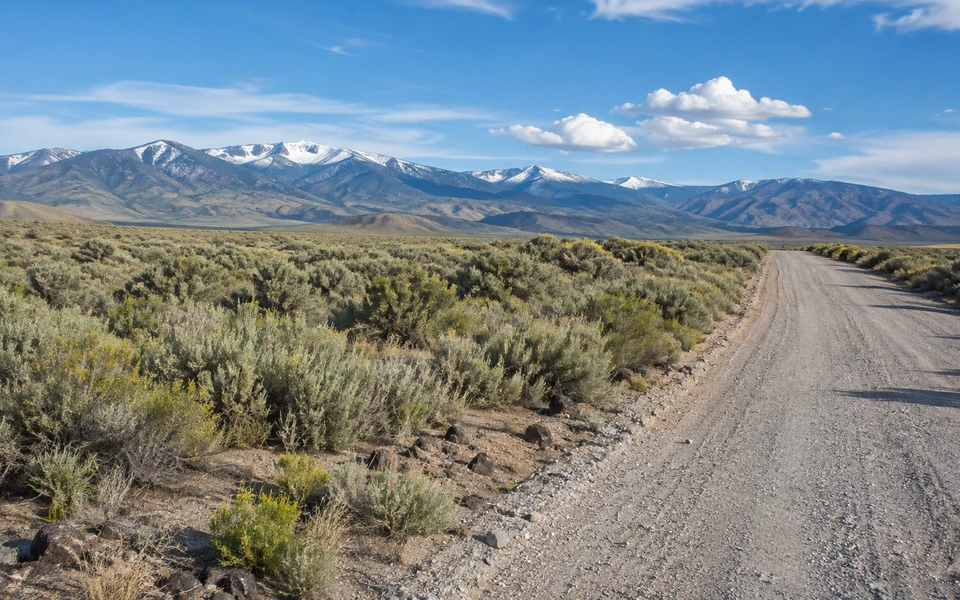
Owners often begin with the question, "Can I sell my land fast?" A preliminary response and a completed closing are different events. Our service does not guarantee that you will get a cash offer within 24 hours. A fast Nevada transaction still needs correct records, available signers and a settlement provider able to complete the work. Ask what remains outstanding and who is responsible for resolving it.
A straightforward file may close in as little as 2 weeks; an estate, access issue or missing instrument can take longer. A date should follow the facts rather than substitute for them. Before deciding to sell your land quickly, compare the proposed investigation deadline with the closing date and any extension rights. A purchaser that says it is ready to buy should explain whether that means funds and conditions are settled or merely that discussions can begin.
Compare a Direct Land Sale With Keeping or Listing
If you need to sell land, a direct proposal is one option rather than the automatic answer. A listing may involve commission, advertising work, visits and a different exposure period. Continued ownership can involve property tax, association charges or maintenance. Compare these practical differences against your priorities. The land market cannot decide how much you value certainty, time or the possibility of a different result later.
When you want to sell your vacant land, do not compare an unsigned preliminary estimate with a fully negotiated alternative as if both were equally certain. Ask what work each route expects of you. An owner hoping to sell vacant land fast might reasonably consider convenience, but convenience does not establish value. You can decline a proposal, obtain independent advice or gather more information without committing to any particular route.
Bring Ownership Questions Into the Discussion Early
Inherited land, jointly held interests and old liens can change the steps needed before settlement. Explain the situation and provide the available instruments without guessing at legal conclusions. A title company or attorney can identify requirements. A tract that has been hard to sell may need a corrected record or evidence of authority rather than another advertisement. Do not promise signatures on someone else's behalf.
Looking to sell property in Nevada from another state also calls for planning. Ask about identification, notarization and document delivery before arranging travel. Our Pershing County guide illustrates the value of a locally identified file, while the Sparks guide discusses jurisdiction and service questions. These pages are starting points for organizing facts, not substitutes for a parcel-specific determination by the responsible office.
Verify the Closing Contact and Final Statement
Before you sell your property, independently confirm the settlement provider and payment instructions through an established contact channel. Do not rely only on a last-minute email changing account details. Read the final statement and ask about differences from the agreement. Check the description, signers, price and expense allocation together. Keep copies of the completed documents and confirmation of the recording process.
Exchanging Nevada land for cash remains a real-property transfer with formal records. The state transfer-tax overview explains the recording-stage assessment and Declaration of Value. Ask the closing professional which requirements apply instead of assuming an exemption. This is also the point to separate closing deductions from any later personal income-tax reporting question, which belongs with a qualified adviser.
Keep a Short Comparison Sheet
For each written proposal, record the contracting party, amount, deposit, investigation deadline, settlement date and proposed expenses. Note whether the agreement can be assigned and which conditions permit cancellation. This sheet is a reading aid, not a replacement for the contract. Its value is making differences visible before a conversation turns into a rushed decision.
Give the same confirmed facts to each prospective purchaser and update the sheet if a record changes. If two proposals rely on different assumptions, ask each party to identify them. One may assume a resolved approach while another expects further investigation. Those are materially different positions even if their headline amounts look close. Keep the signed version separate from earlier drafts so the final statement can be checked against the right document.
Make the Decision Without a Purchase Guarantee
An offer for your land should let you compare the parcel facts, net result and remaining conditions. Buyers who buy land in Nevada should explain the assumptions behind their terms. People sell for different reasons; another owner's experience is not a promise about your outcome. If you aim to sell your land for cash fast, retain enough time to understand the obligations you are accepting.
This website is an inquiry service. Information may be shared or sold to independent purchasers who can contact you; submitting the form does not require a conveyance of land to us. Read the privacy information before sending details. To sell your land in Nevada confidently, organize the file and compare the written proposal on its merits. The option that fits your plans may be accepting, negotiating, listing or choosing not to transfer the property now.
Practical Seller Guides
Explore records, selling choices and closing questions before accepting terms.
Compare Your Own Options
Use accurate records and ask for written terms. There is no obligation to accept.
Request Your No-Obligation Cash Offer
Start with acreage, state, property address and county. Your contact and property information may be shared or sold to independent buyers who can contact you about an offer. Please read our Privacy Policy before submitting. No purchase or response time is guaranteed.