
How to Sell Land Online in Nevada
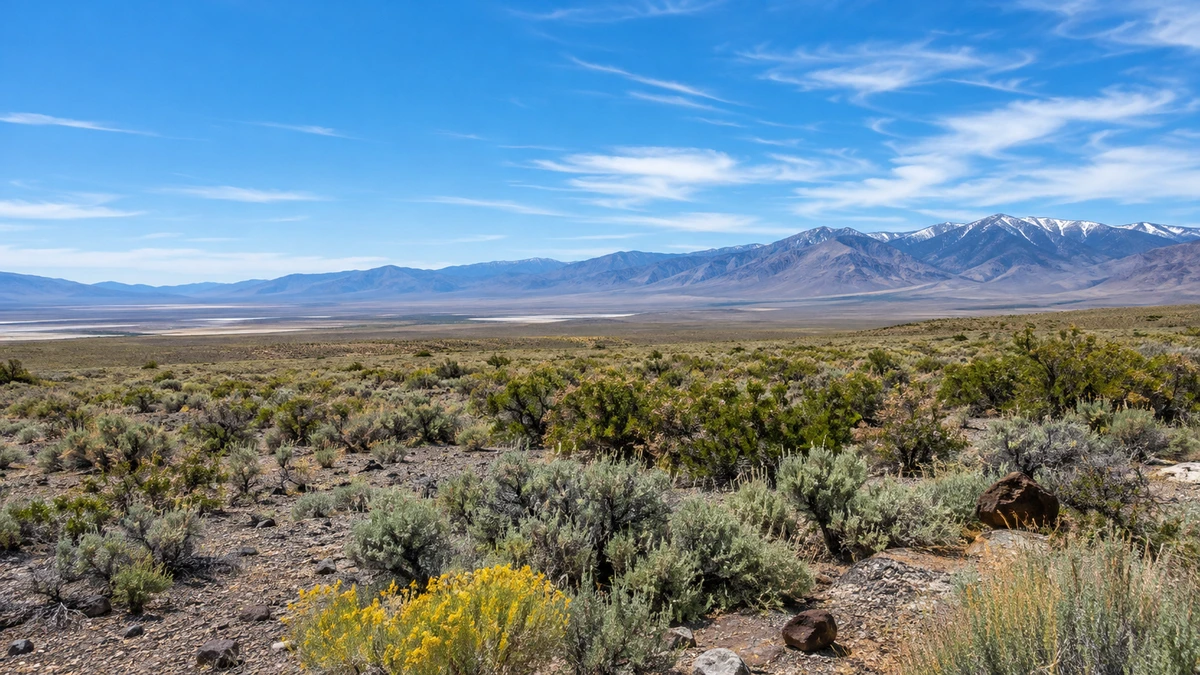
An online advertisement can make a Nevada holding easier to discover, but discovery is only the beginning. Good records, honest descriptions and a clear response process matter more than a dramatic headline. Use the internet to organize information and reach potential buyers without treating a message or map pin as proof that a transaction is ready to close.
Prepare the File Before You Sell Land Online
Begin with the APN, recorded description, approximate size and the jurisdiction responsible for the site. A mailing address and the actual location can differ. Keep the deed, any existing survey and known access instruments together. Use one organized file to answer questions consistently instead of reconstructing the story from scattered messages.
Explain what is confirmed about roads, services, water, restrictions and existing use. An advertisement should distinguish a physical track from legal access and a nearby power line from a confirmed connection. Prospective land buyers need those distinctions to evaluate the holding. A useful starting point is the state directory of county assessor offices; confirm the relevant record with the responsible office rather than treating a third-party map as authoritative.
Price Your Land With Comparable Characteristics in View
A competitive price should be based on more than area alone. Access, permitted use, services, terrain and recorded interests can make neighboring tracts very different. Compare completed transactions where reliable information is available, and distinguish them from an asking price. A public advertisement shows what someone hopes to receive, not necessarily what a purchaser paid.
Overpricing can reduce responses, but a rapid reduction without understanding the holding can be equally unhelpful. Ask a qualified local professional about market value if the comparison is uncertain. A landowner can also compare a direct proposal with a public campaign. The fair price for a particular agreement depends partly on expenses and conditions. Do not treat the highest preliminary message as equivalent to the strongest written commitment.
Write a Listing That Answers Real Questions
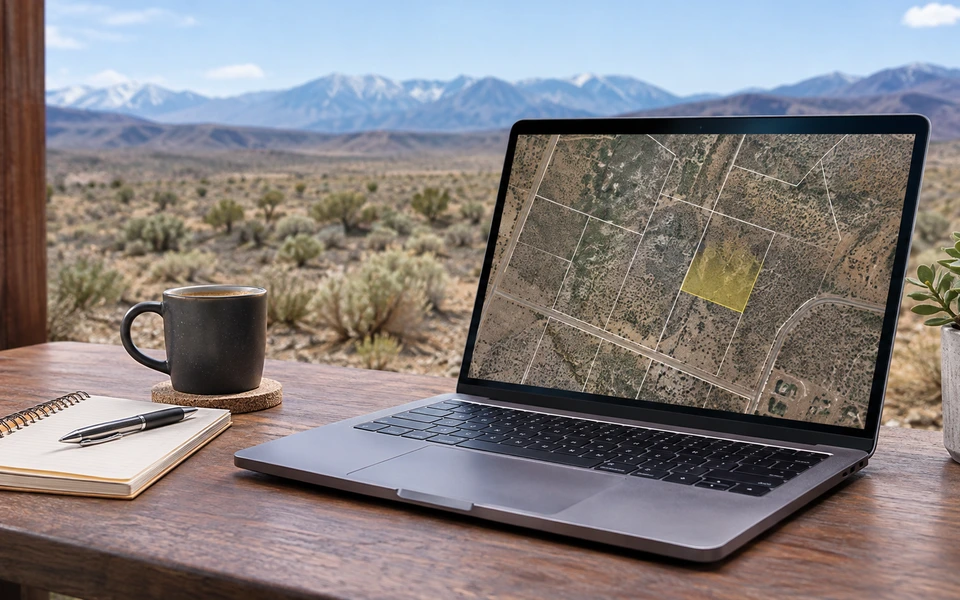
To sell land by owner, explain what the property is and what remains unverified. Include the county, a clear location description, known approach, approximate size and available records. If zoning regulations or service capacity have not been checked, label them as open questions. Do not promise single-family construction or a particular commercial project based only on nearby development.
Features like a maintained road or an existing survey can be useful when documented. Your listing also allows you to highlight limitations honestly, such as an uncertain crossing or missing boundary work. Help buyers understand the source of each claim. The key features of a piece of land should not be confused with speculative future improvements. This is especially important when the images show surrounding scenery rather than the exact boundaries.
Showcase Your Property Without Misrepresenting It
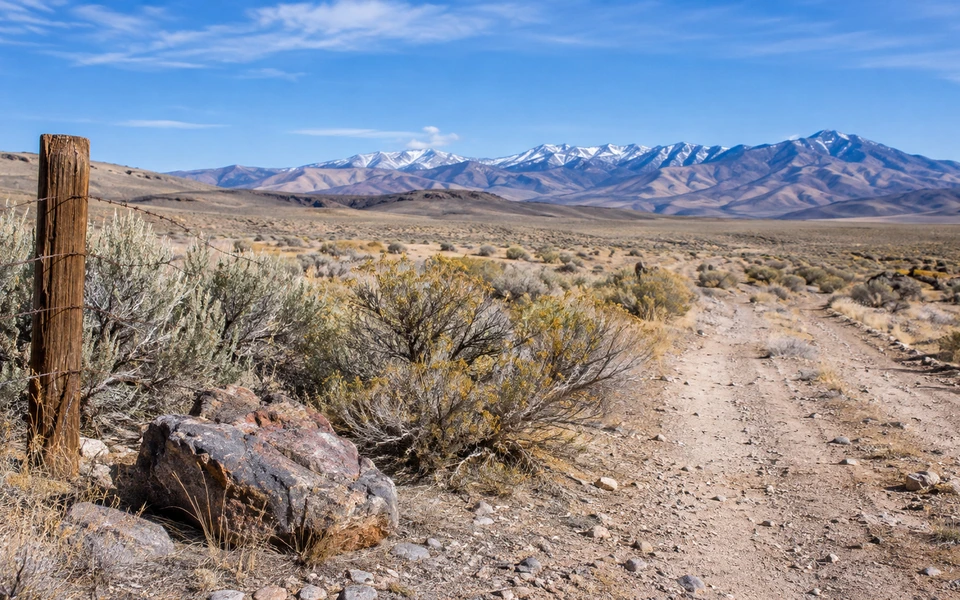
Use photographs you own or have permission to publish. Identify where each was taken and avoid implying that a nearby river, building or road lies within the holding. Mark any illustrative image clearly. Aerial outlines and virtual tours should be presented as informational aids, not professional boundary determinations. If you do not have current site photographs, say so rather than substituting an unrelated landscape.
Create an attractive presentation through clarity rather than unsupported promises. A simple sequence can show the approach, general terrain and relevant existing improvements. Additional features should be described only when verified. Do not enter another property, cross an uncertain easement or undertake unsafe access just to obtain a photograph. An accurate listing is more useful to a serious land buyer than a polished page that creates the wrong expectations.
Compare Online Channels Before Paying for Exposure
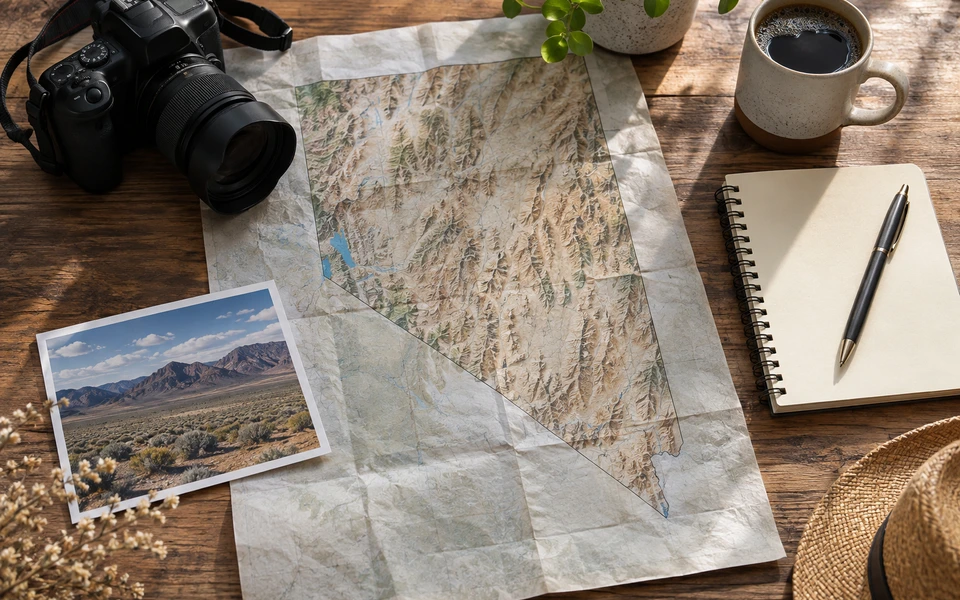
Owners researching land online may encounter names such as Zillow or Lands of America, alongside local services and social platforms. Treat those as examples to investigate, not endorsements from this guide. Check the current operator, eligibility, posting rules, fees, cancellation terms and audience directly before spending time or money. A platform name in an older article may not describe today's available service.
If you hope to sell land online for free, distinguish a no-cost posting from the work and optional promotions that may follow. Consider how you would update or remove the listing and protect contact information. The industry network's owner-sale guide is one industry perspective to compare with official records and independent advice. No channel guarantees a successful sale or a particular response count.
Selling your land by owner gives you more responsibility for the campaign. A realtor or professional land specialist can offer a different scope of assistance under a written arrangement. If you work with a land professional, ask exactly what services, expenses and cancellation rights are included. Exposure alone does not establish the right buyer or a better result.
Screen Messages Without Sharing Sensitive Information
Set a consistent way to answer initial questions. A prospective buyer can request records without needing account credentials, identity documents or financial instructions through ordinary email. Be cautious about pressure to pay an unexpected processing charge or accept changed payment directions. Independently verify the people and settlement provider involved before relying on a new contact.
Potential buyers may ask different questions about use, financing and the approach. Keep a written list of unanswered items and share the same factual corrections with interested parties. A listing that improves as information is confirmed can be more credible than one that conceals uncertainty. Do not interpret every inquiry as evidence that a person is interested in buying under your proposed terms.
A seller who receives few responses can review the description, images and distribution before changing the amount. Ask whether people can identify the holding and understand its limitations. That review is different from adding unsupported adjectives to attract buyers. Clear information can save time for both sides even when it rules out an unsuitable inquiry.
Compare a Land Sale Proposal on Its Written Terms
An online conversation is not a substitute for an agreement. Compare the proposed amount, deposit, inspection period, assignment rights and expense allocation. A business that expects to buy land directly should identify the contracting party and what remains conditional. The sale process should not depend on an informal message that leaves those points unresolved.
If a transfer is your goal, compare a direct inquiry route with continued advertising. Our service may share or sell submitted details to independent purchasers; sending the form does not oblige you to accept a proposal. A wish to sell your land fast does not remove the need for title review. A straightforward file may close in as little as 2 weeks, but unknown conditions can extend the schedule.
Finish the Land Transaction Through Verified Settlement
Before you sell your property, confirm the closing provider through an established contact channel. Review the description and proposed statement, and question any last-minute change in payment instructions. The internet can help you sell your land online without replacing the professional work needed to transfer the recorded interest.
The Mesquite guide discusses river-valley and desert-site questions; the Boulder City guide emphasizes jurisdiction and private rights. Use location-specific information to prepare a better file, not as proof of a particular site's suitability. Keep signed instruments and settlement records after completion so the final result remains understandable.
Keep a dated copy of the published description and any material correction. When a question reveals missing information, update the record rather than answering from memory. A clear change history helps distinguish what was known during the first inquiry from what was confirmed later. It also makes it easier to remove an obsolete advertisement after a contract ends or settlement is completed.
Review the Campaign Before You Commit More Resources
Successfully selling online is not measured only by page views. Ask whether the responses are relevant, whether the listing accurately represents the holding and whether proposals reflect the conditions you can accept. Marketing vacant land is different from presenting a finished home. There may be fewer immediately suitable inquiries, and further records can matter more than another promotional image.
Choose the way to sell that fits your priorities after comparing work, uncertainty and likely expenses. An owner can pause an advertisement, improve the file or seek professional advice without treating the first approach as irreversible. To sell land responsibly, use a current description and a documented agreement, then verify settlement rather than relying on digital convenience alone.
Practical Seller Guides
Explore records, selling choices and closing questions before accepting terms.
Compare Your Own Options
Use accurate records and ask for written terms. There is no obligation to accept.
Request Your No-Obligation Cash Offer
Start with acreage, state, property address and county. Your contact and property information may be shared or sold to independent buyers who can contact you about an offer. Please read our Privacy Policy before submitting. No purchase or response time is guaranteed.