
How to Sell Land Without a Realtor in Nevada
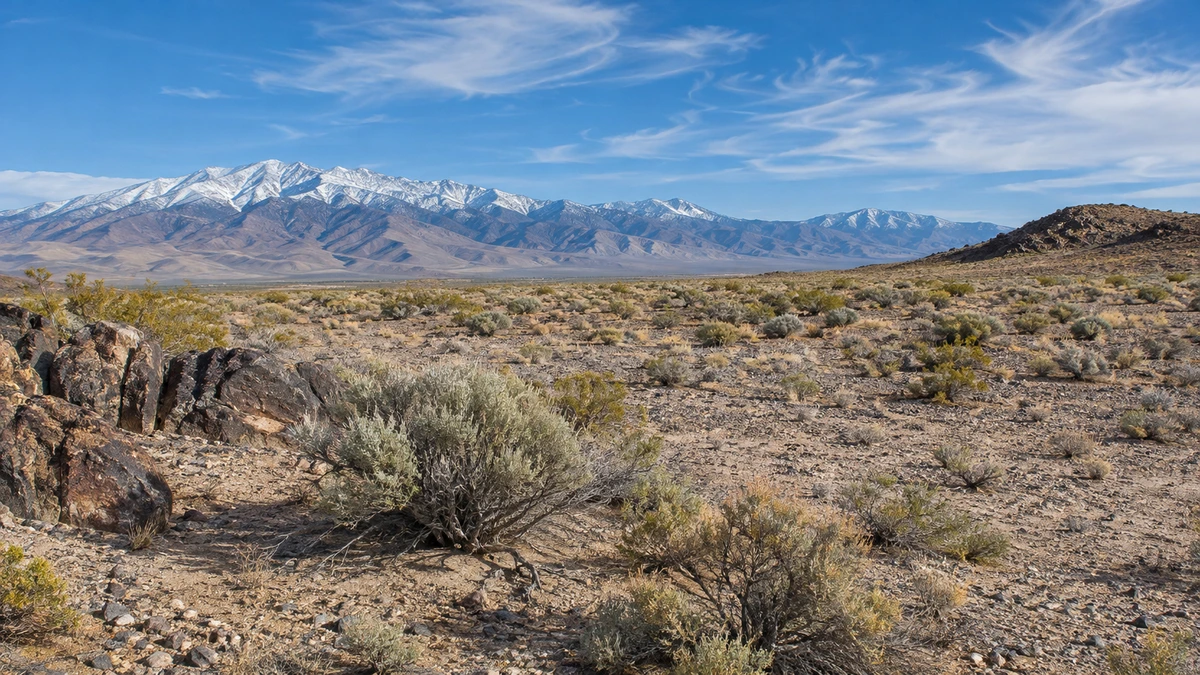
Managing a Nevada property transfer yourself can give you more responsibility for marketing, answering questions and comparing terms. It does not remove the need for reliable records or qualified closing advice. Before choosing the owner-managed route, decide which tasks you can handle and which require professional help. The goal is an understandable agreement, not simply the absence of an intermediary.
What Changes When You Sell Land Without a Realtor?
A sale by owner moves tasks to you rather than making them disappear. Someone must assemble the file, prepare accurate advertising, respond to potential buyers and compare proposals. You also need a consistent way to update information when a record changes. Time spent resolving a boundary or access question is part of the work even if it never appears on a marketing invoice.
A realtor can provide a different scope of service under a negotiated arrangement. Ask what advertising, screening and transaction coordination would be included before comparing costs. Avoid assuming that every professional works under the same terms. The decision should reflect your available time, knowledge of the holding and willingness to manage communications. Independence is useful only if the important tasks are still completed reliably.
Identify the Land Parcel Before Offering Terms
Match the APN, recorded deed and county map. A street address or online boundary outline may be useful context without identifying the entire interest being transferred. Keep any survey, easement instrument, restriction or use agreement with the file. A prospective buyer should be able to understand what you own and what remains uncertain.
A parcel of land near a developed street can raise very different questions from remote acreage. Vacant land may need access, water and service inquiries that an occupied residence does not. Do not assume a visible track is legal access or that a nearby utility line establishes a connection. Undeveloped land should be described honestly, with unknown facts left open for review. The Nevada assessor directory helps locate the responsible county office.
Research the Land Market Before Setting a Number
Pricing land requires more than multiplying area by a regional average. Compare location, access, services, terrain, recorded interests and permitted use. An advertised amount is not a completed sale price. If reliable comparisons are scarce or the file is unusual, a land appraiser or other qualified adviser can help explain the value of your land and the limits of the available evidence.
Set an asking price for the land with the work and uncertainty visible. A high preliminary message from a buyer is not necessarily a firm commitment. An offer with a long investigation period can differ materially from one with fewer conditions. Market value is context, while a particular contract allocates risks and responsibilities. Keep that distinction in view when comparing the amount you hope to receive with actual written proposals.
Property taxes and other carrying costs can also affect the practical decision to wait. They do not automatically determine what someone else will pay. An owner who needs a quick answer should compare the cost of continued ownership with the flexibility a longer campaign might provide. There is no single correct tradeoff for every holding.
Prepare Accurate Materials for Marketing Land
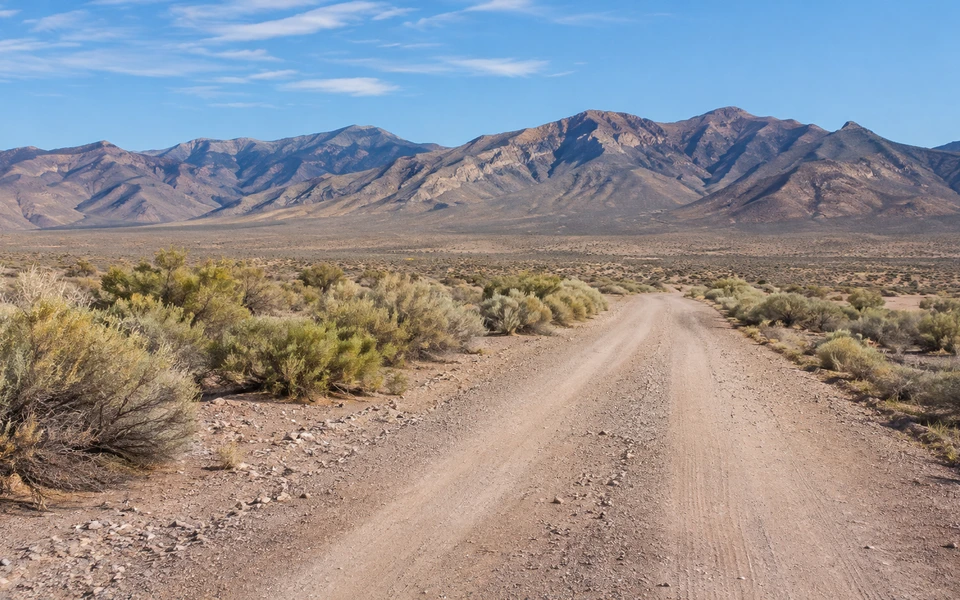
If you list your land yourself, use photographs you own or are authorized to publish. Show the actual approach and terrain when possible, and distinguish surrounding scenery from the boundaries. A buyer should not have to guess whether a river, road or structure is included. Clearly label illustrative material and do not present a diagram as a professional survey.
A land listing should identify the county, approximate size, known rights and the source of important claims. Do not advertise a zone or proposed use as confirmed until the responsible office has verified it. Land listings can look polished while omitting the information a serious land buyer needs most. Clear limitations are more useful than unsupported claims about development potential.
Compare the current rules and costs of any advertising channel before paying. Selling land by owner may involve online exposure, local contacts or direct inquiries, each with a different workload. Do not assume one site or promotional upgrade will produce the right response. A land investor's preliminary interest is a starting conversation rather than a guarantee that your campaign is complete.

Answer Prospective Questions Without Overpromising
Create a short information sheet and keep a list of unresolved items. Potential buyers may ask about the approach, services, boundaries, possession or financing. Give factual answers and identify the source. If you learn that an earlier statement was wrong, correct it consistently rather than giving different people different versions of the file.
Do not share identity documents, account credentials or payment directions through ordinary initial messages. A buyer does not need those details to ask about a site. Be cautious about pressure to pay unexpected charges or accept a last-minute change in settlement instructions. Independently verify the parties and closing provider before relying on a new contact.
The Lander County guide discusses rural approach and water records, while the Silver Springs guide separates highway proximity from access rights. Local context can improve your questions without determining the condition of an individual holding. Avoid treating a regional description as proof for the buyer.
Compare the Purchase Agreement Beyond a Cash Offer
A cash offer can still include investigations, assignment rights and cancellation conditions. Read the proposed deposit, deadlines, expense allocation and remedies. A land buyer should identify the contracting party and explain what could change before settlement. If a company expects to buy land directly, ask whether it will take title itself or use another arrangement.
Legal documents deserve qualified review, especially when the language is unfamiliar or the file includes an estate, entity or disputed interest. A real estate attorney can help explain obligations rather than merely fill in blanks. Do not assume a generic download fits the facts because it is labeled for property transactions. The written conditions matter more than the familiarity of the form.
The paperwork for selling land should correspond to the actual holding and parties. A buyer's statement that something is standard does not establish that it is suitable for you. Ask about extensions, the consequences of a failed inspection and who handles unresolved balances. Compare these points before deciding whether the terms of the sale fit your priorities.
Choose Help Without Confusing Professional Roles
Handling a transfer without a realtor does not mean doing every task without assistance. A title company, surveyor, attorney or reporting adviser serves a different role from a real estate agent. Ask each professional what is included, what is outside the engagement and what information is needed. Do not assume one service resolves every question about ownership, use and later reporting.
You may also decide that working with a realtor is worth the cost of reduced coordination work. Compare realtor fees with the actual scope rather than an assumed universal rate. A buyer and an owner can both benefit from clearer communication, but the purchaser's representatives do not automatically act as your advisers. Confirm who each person represents before relying on a recommendation.
Use Verified Settlement to Complete the Land Sale
The sale process should lead to a clear statement of what is transferred, who signs and how funds are delivered. Before you sell your property, independently confirm the closing contact. Read the final statement alongside the agreement and question discrepancies in description, expenses or proceeds. Keep copies of the completed instruments and recording confirmation.
Selling vacant land can be simpler in some respects than selling a house, but it still involves formal rights and records. A straightforward file may close in as little as 2 weeks; unresolved authority or a missing instrument can extend the schedule. To sell your land efficiently, give the settlement provider the necessary records early instead of treating the date as proof that the file is ready.
Reassess Whether the Owner-Managed Route Fits
You do not need to continue a campaign unchanged if the work exceeds your available time. Compare keeping the holding, seeking professional marketing help or requesting a direct proposal. The best way to sell is the one whose effort, uncertainty and written terms fit your circumstances, not the one with the most emphatic headline.
If you want to sell through this inquiry service, details may be shared or sold to independent purchasers who can contact you. Submission creates no obligation to accept. Owners can sell vacant land without a realtor while still using independent advice and a verified closing process. To successfully sell your land, preserve those safeguards whichever marketing route you choose.
Practical Seller Guides
Explore records, selling choices and closing questions before accepting terms.
Compare Your Own Options
Use accurate records and ask for written terms. There is no obligation to accept.
Request Your No-Obligation Cash Offer
Start with acreage, state, property address and county. Your contact and property information may be shared or sold to independent buyers who can contact you about an offer. Please read our Privacy Policy before submitting. No purchase or response time is guaranteed.